-
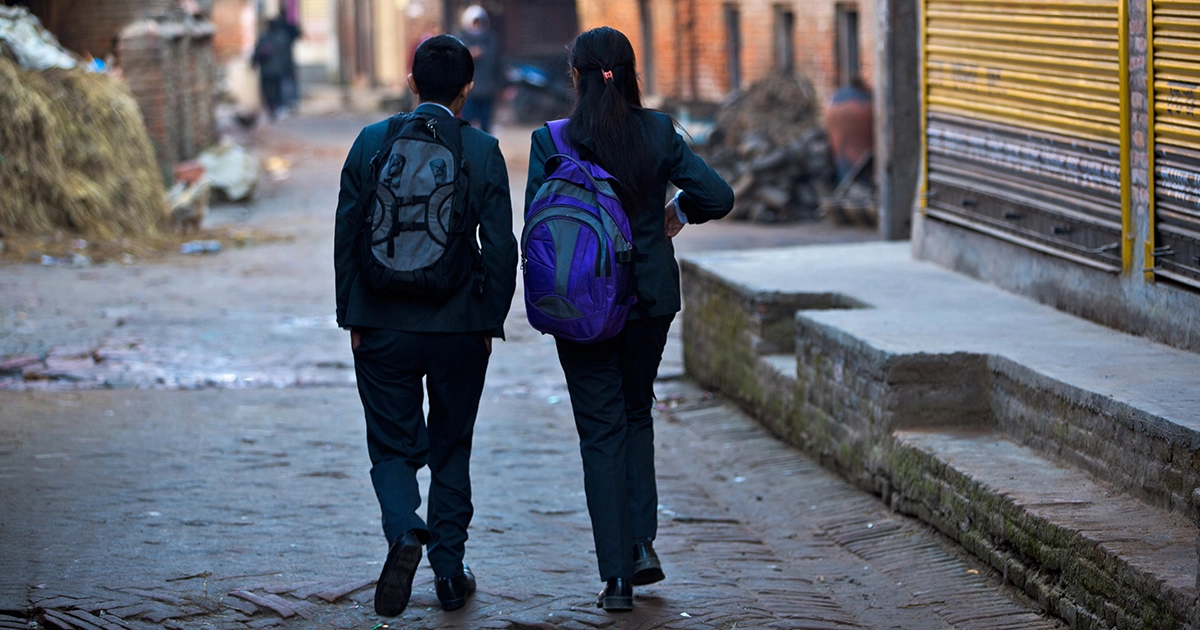
First aid training gives people practical skills they can use when it matters most. Learn how one training program in rural Nepal is equipping teachers, students, and local instructors to support safer, more prepared communities.
-
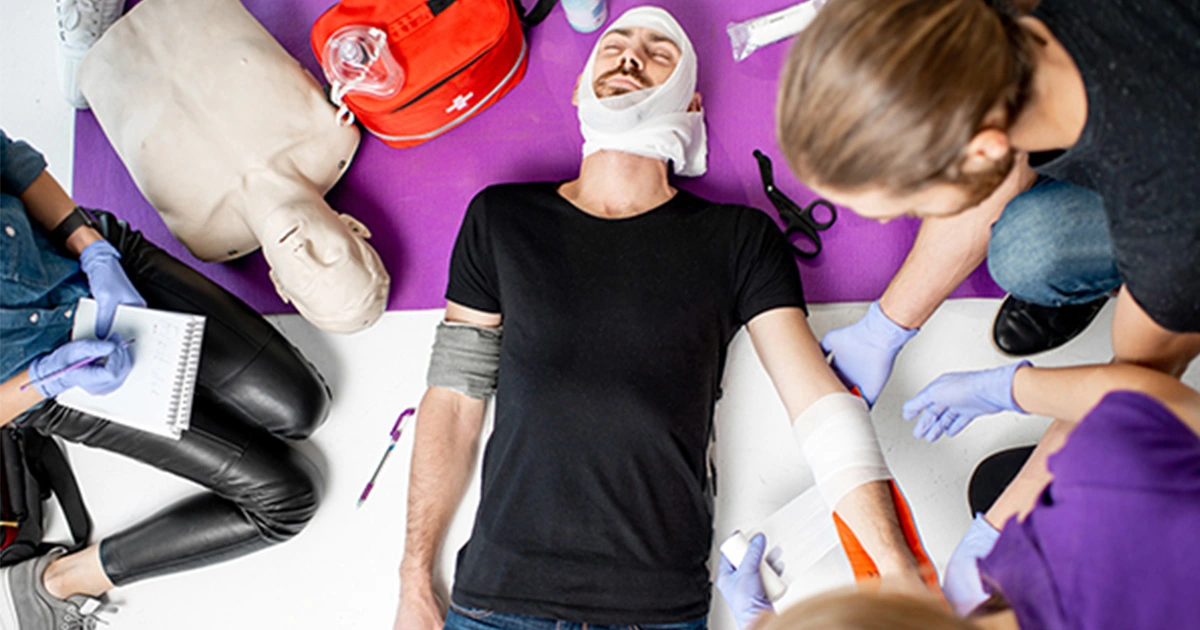
A first aid course can prepare students to respond to emergencies for years to come. Learn how instructors can build confidence, relevance, and lifelong readiness in every class.
-
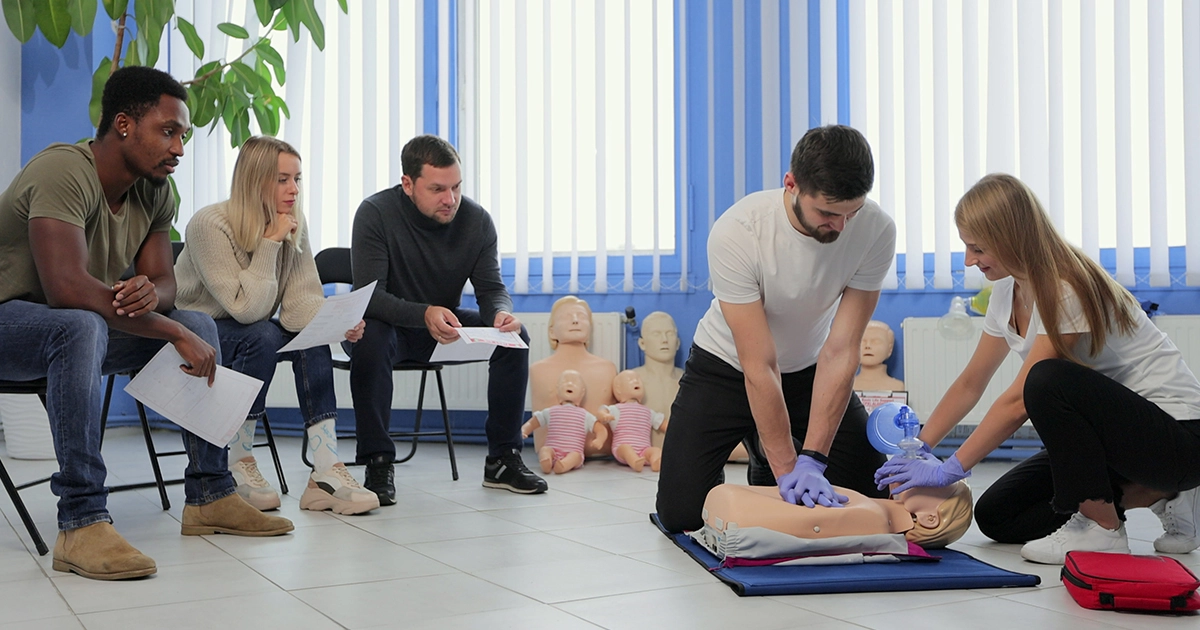
Understanding global resuscitation guidance can be complex, especially when instructors and training centers work across different healthcare systems. Learn how ILCOR and ERC complement each other to support emergency response education.
-
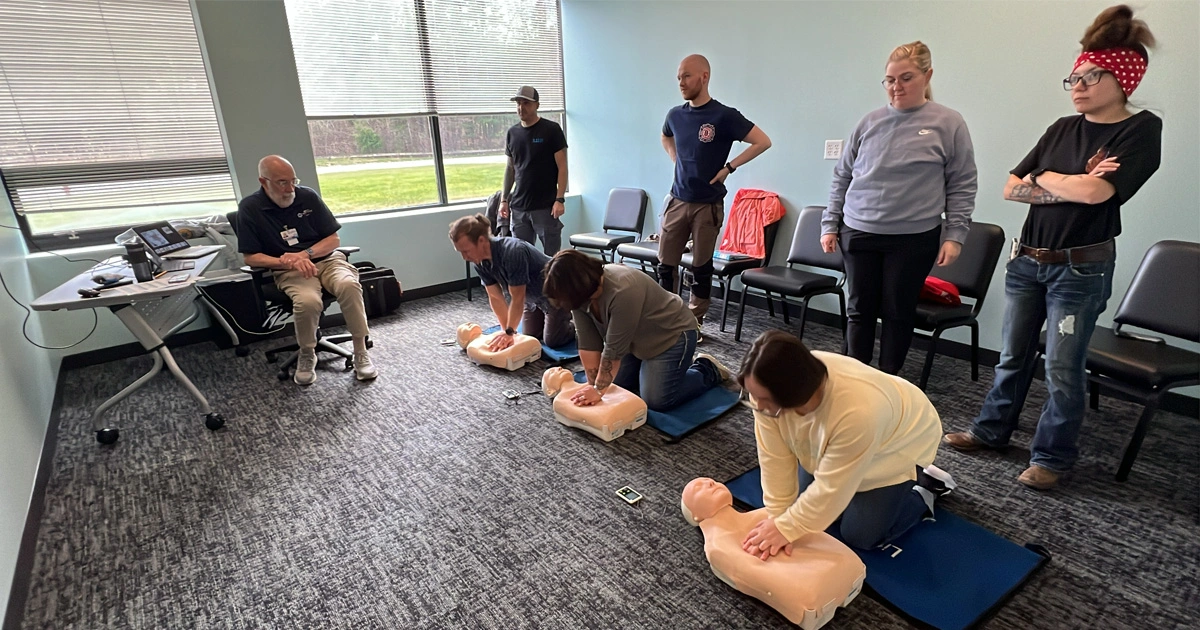
CPR training helps people step up in critical moments. But what happens after the rescue? Explore how saving a life can create a ripple effect that extends far beyond the moment itself.
-
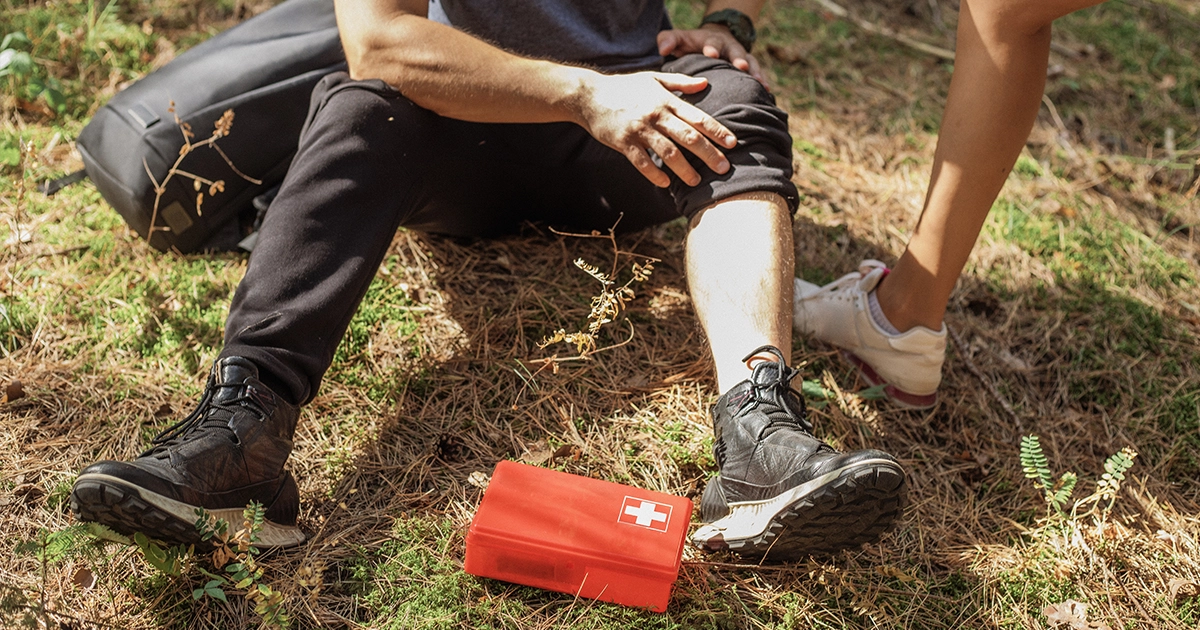
Planning a high adventure trip is exciting, but without proper training, one emergency can stop everything. Discover how wilderness first aid helps scouts and leaders stay ready for the unexpected.
-
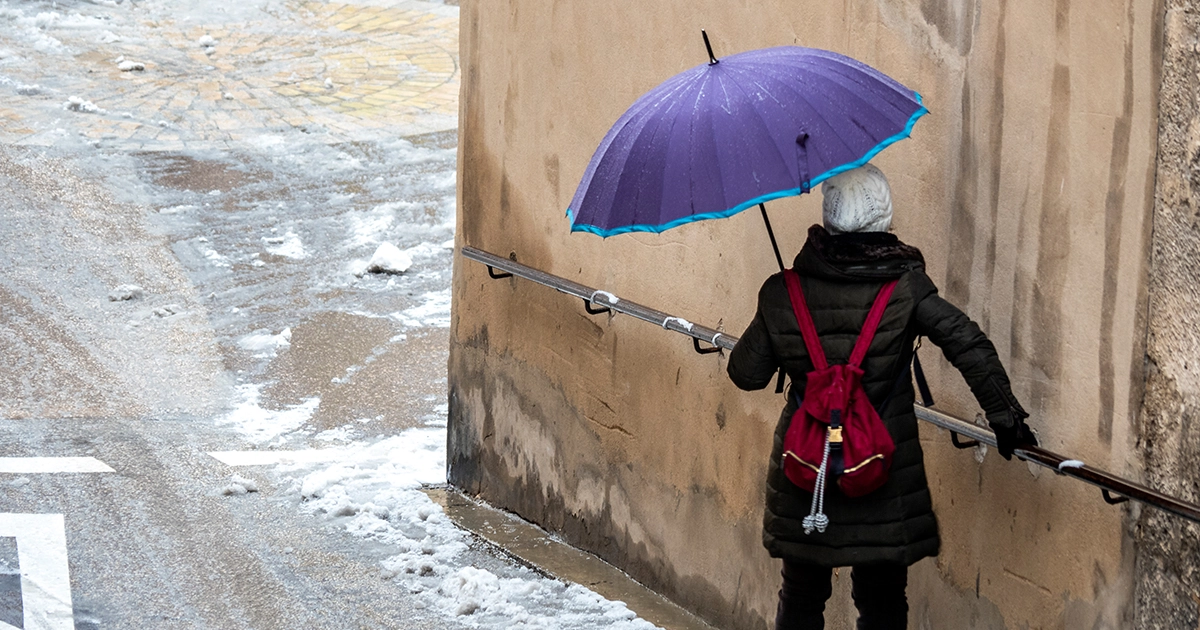
Winter is here, and it's the perfect time to review your cold weather first aid. Here are some tips for teaching first aid for winter emergencies.
-
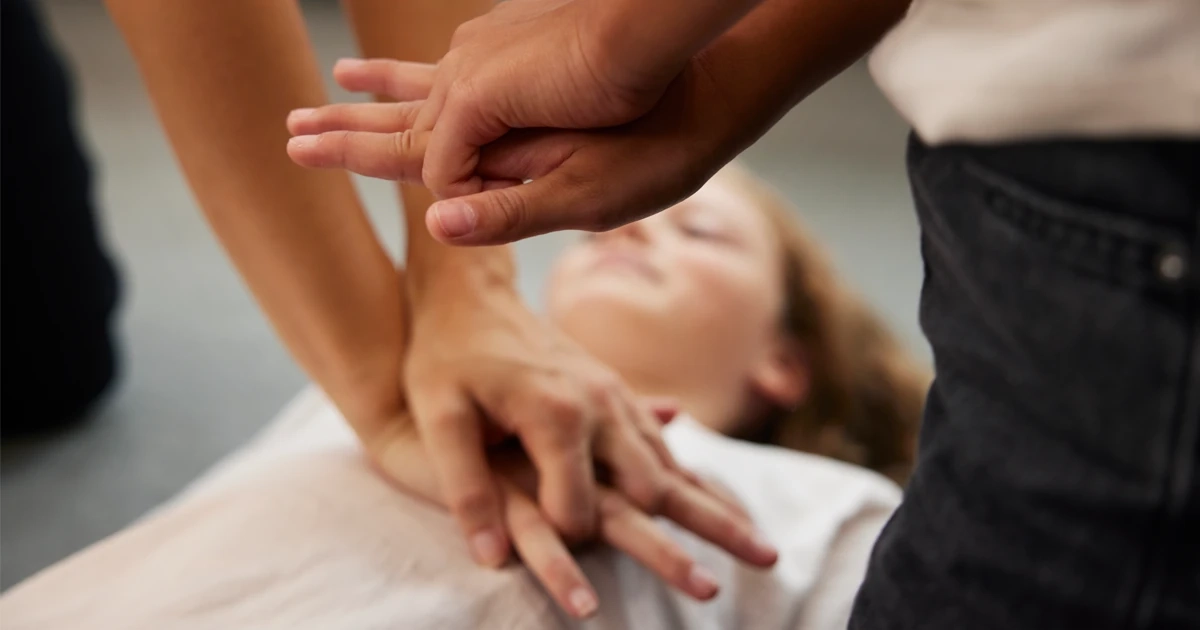
ILCOR has introduced a series of new consensus on Science with Treatment Recommendations (CoSTR) for 2026. We explore the changes and discuss whether you should adjust your protocols in response.
-
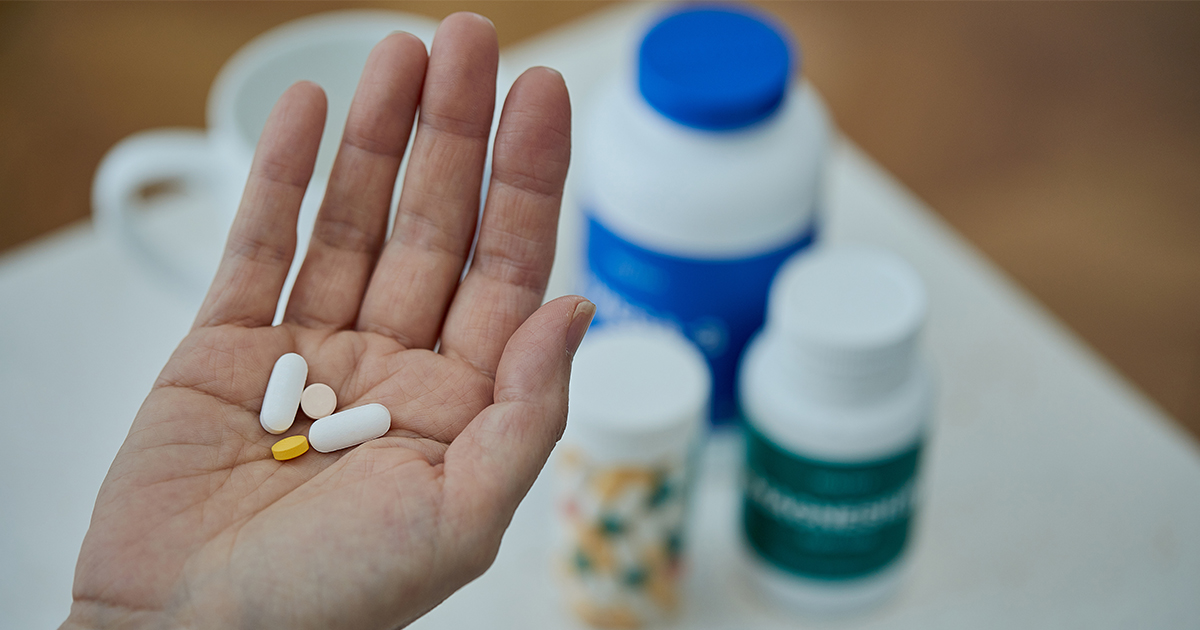
Do you know what to do in the event of a fentanyl overdose? Bob Elling discusses how being trained in naloxone use and maintaining awareness can help prevent overdose deaths.
-
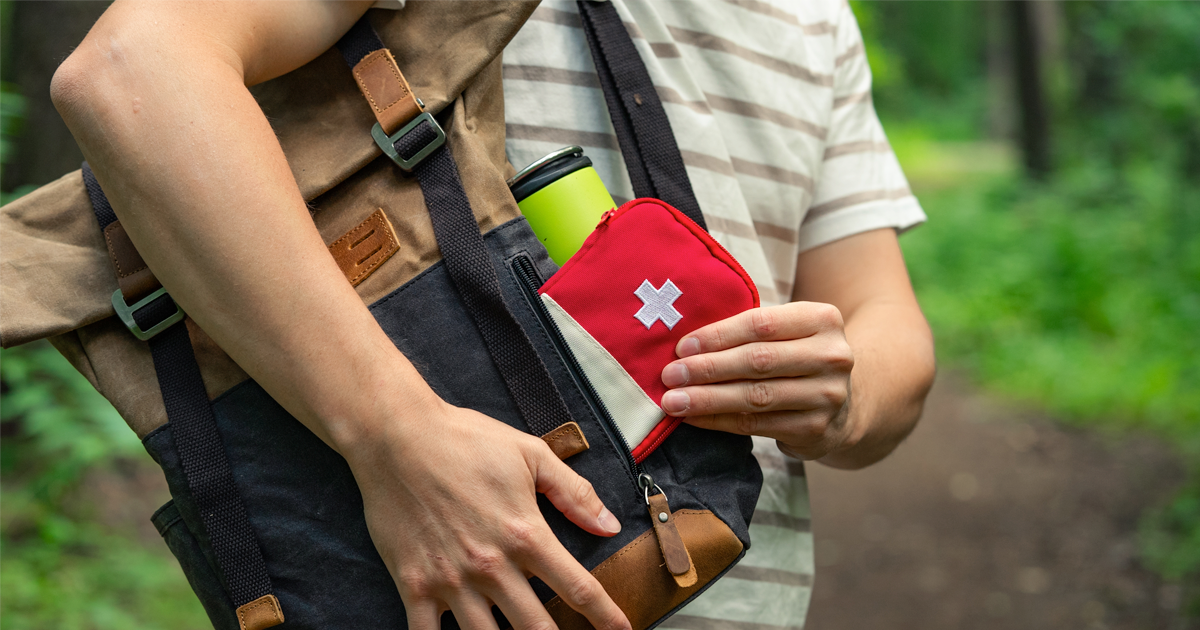
Are you ready to rescue yourself? We look at some self-rescue techniques, and how you can teach these life-saving skills in the classroom.
-
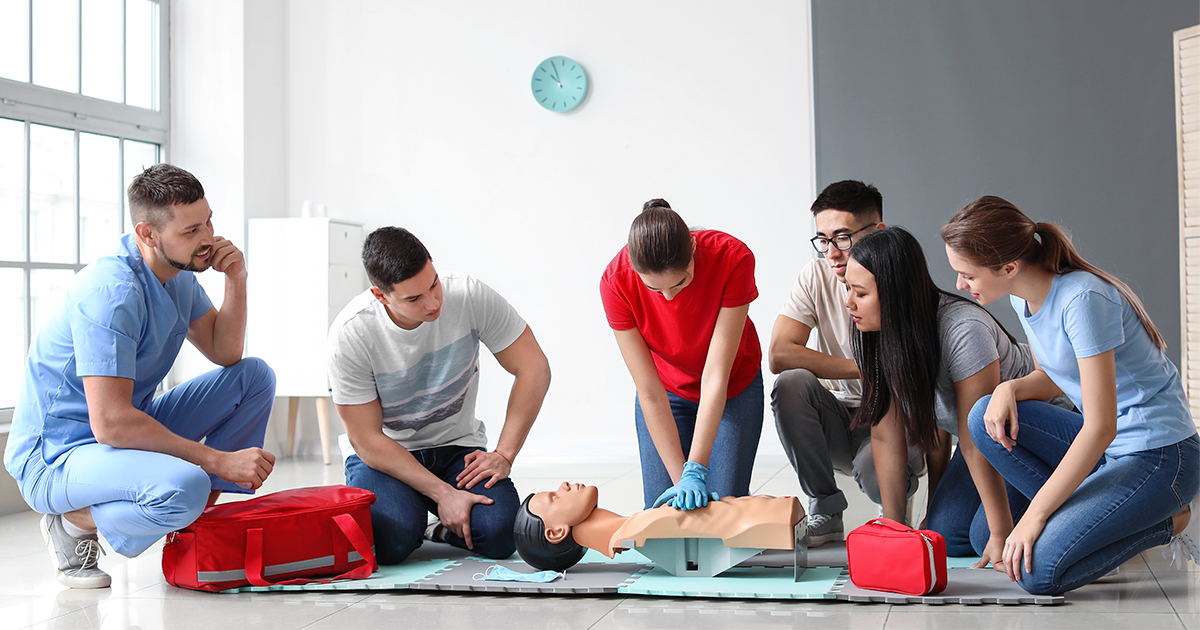
Public CPR training demand can surge after significant emotional events. Is your education center prepared for a rise in training requests?