Expanding First Aid Education in Rural Nepal
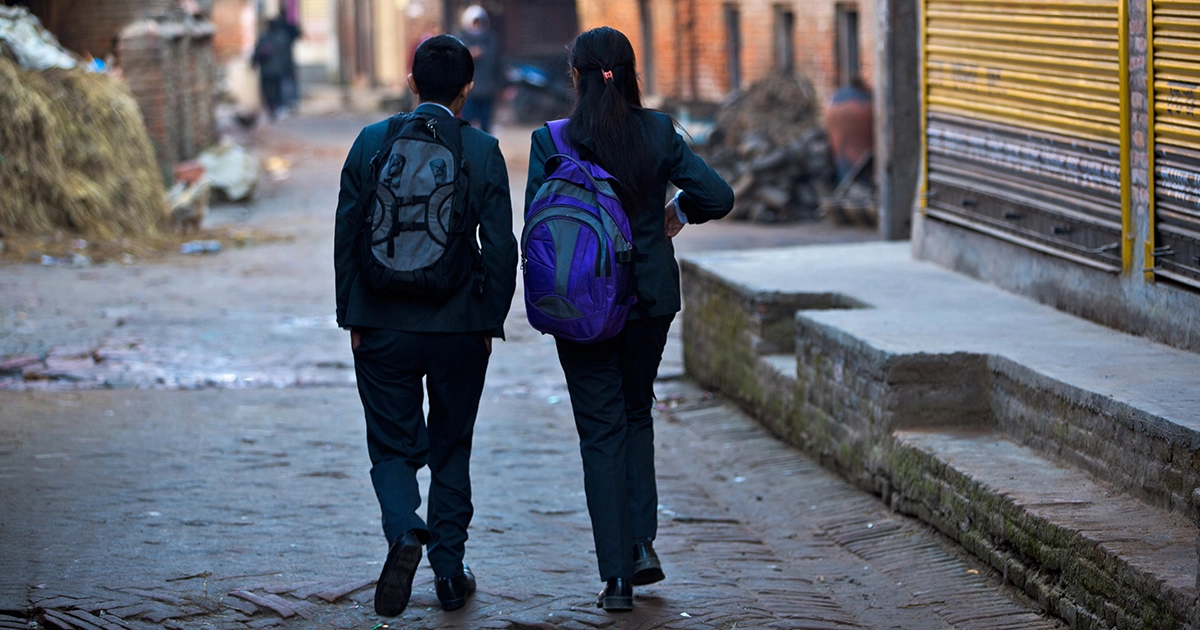
First aid and CPR instructors know that training is more than teaching skills. Lessons are about preparing individuals to respond confidently in emergencies, whether they are in a classroom, workplace, home, or remote community where access to care may be limited.
This goal of preparing individuals was front and center during a recent first aid training initiative in Nepal, where Steve Thygerson, an author of Standard First Aid, CPR, and AED, Ninth Edition, worked with students and local instructors to help expand access to first aid education in the rural district of Dolakha.
A Long-Standing Partnership Focused on Community Health
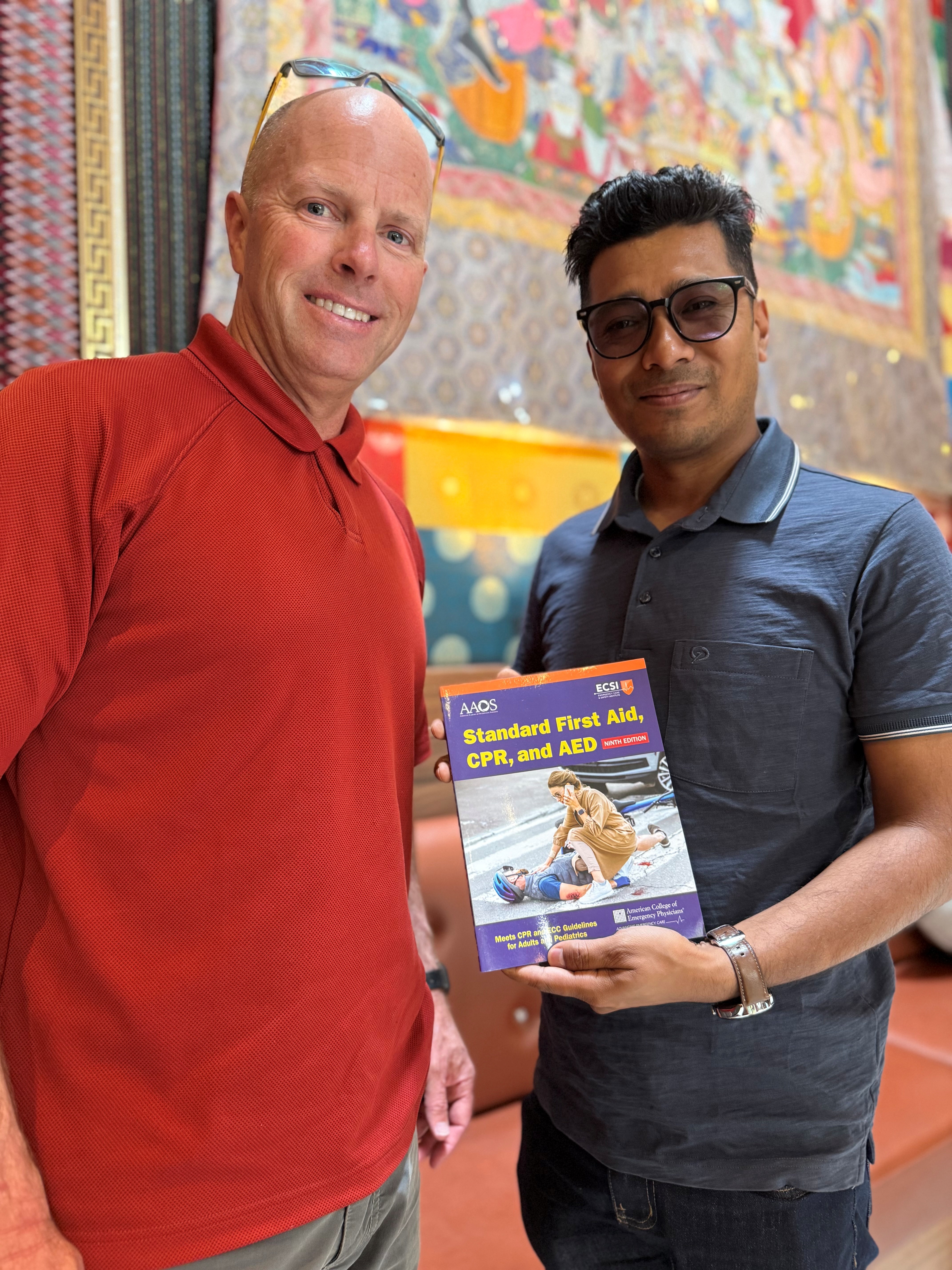
For nearly a decade, Thygerson and his student teams have worked with Dhulikhel Hospital in Nepal on community health initiatives in rural areas. Their work has included studying access to prehospital emergency care and supporting health education efforts in Dolakha, particularly around women’s and children’s health.
In 2026, Pramesh Koju, Community Health Director for Dhulikhel Hospital asked for first aid training for teachers, administrators, and middle school students.
Bringing First Aid Training to Dolakha
The team traveled to Kathmandu in late April 2026 before making the six-hour jeep ride to Dolakha Hospital. There, five Brigham Young University students worked alongside Nepali first aid instructors to provide training for more than 90 participants.
The training used Standard First Aid, CPR, and AED, Ninth Edition as a foundation for covering essential first aid concepts and practical emergency response skills. Dozens of copies were brought to Nepal, and each participant received a manual to keep as a resource after the course ended.
For instructors teaching in different environments, consistent course materials can help reinforce key concepts, support hands-on practice, and give learners a reliable reference once they leave the classroom.
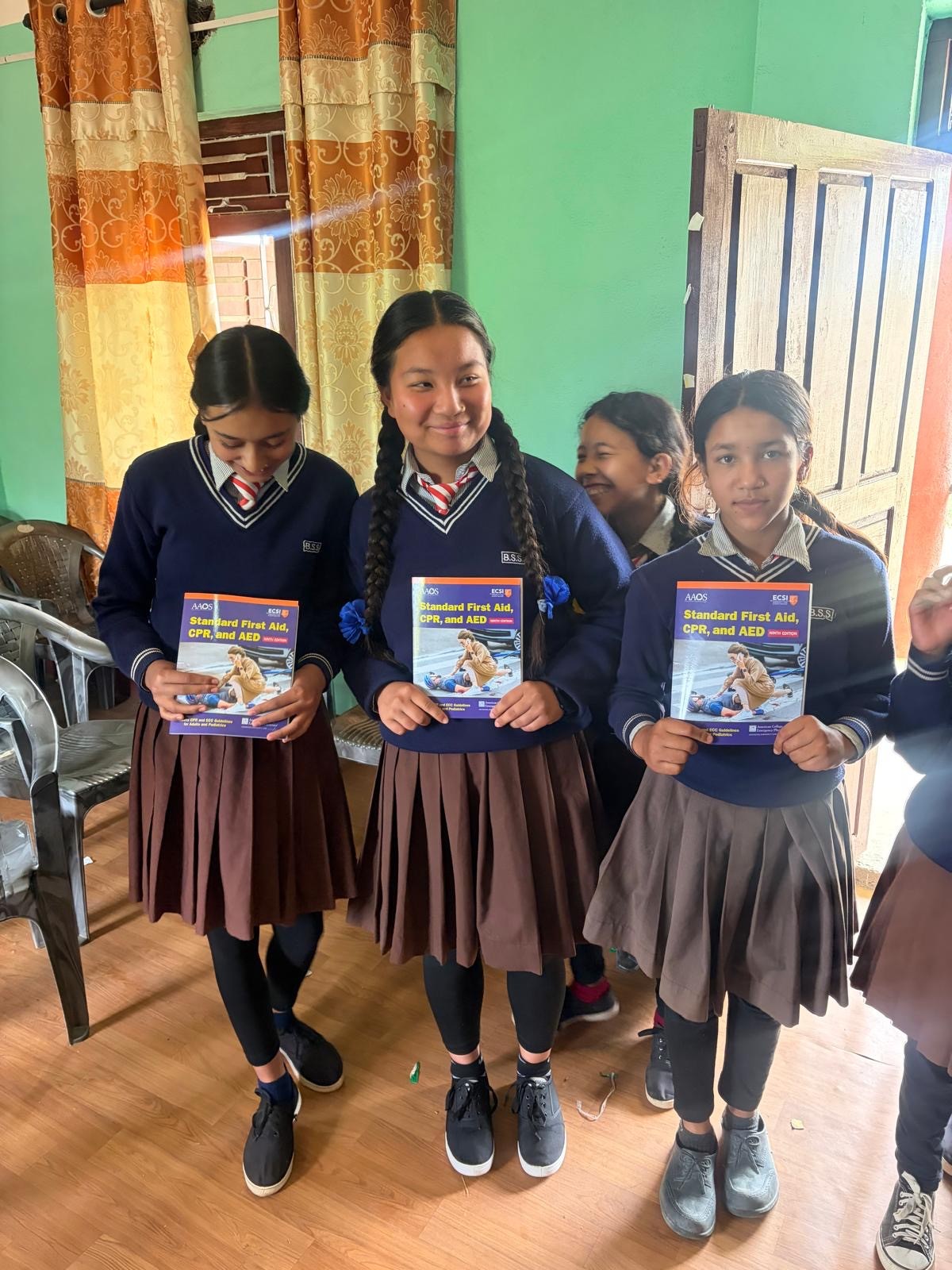
Building First Aid Confidence in Schools
Bringing first aid education into schools can have a meaningful impact. Teachers and administrators are often among the first to respond when an injury or medical emergency occurs on campus. Middle school students can also begin building awareness and confidence around basic emergency response at an age when those lessons can continue to grow with them.
For first aid and CPR instructors, the training in Nepal offers an example of how effective instruction can be adapted to meet community needs. It also highlights the importance of equipping learners with tools they can use well beyond the initial training session.
Building on Intro First Aid Lessons
Looking ahead, Nepali first aid instructors plan to continue offering monthly training programs throughout the region, with BYU students returning each year to support and build on those efforts. By combining local leadership, student support, and standardized first aid materials, the program is helping to expand access to practical emergency care education in a way that can continue over time.
For instructors, these trainings should be a reminder that first aid education can reach beyond a single classroom or course. With the right training, resources, and community partnerships, lifesaving skills can become part of a broader culture of preparedness.